Ginger-garlic paste is a condiment made primarily from ginger and garlic. Known for its rich aroma and distinctive flavor, it is widely used in home cooking, the food service industry, food processing, and the production of ready-to-eat or pre-prepared meals. As consumer demand for convenient seasonings and compound condiments continues to grow, ginger-garlic paste has emerged as a food product with significant market potential. For investors looking to enter the condiment industry, establishing a processing plant for ginger-garlic paste is a business venture worth considering. So, what preparations are necessary to launch a ginger-garlic paste processing business?
Starting a ginger-garlic paste processing business requires more than just purchasing production equipment; it entails comprehensive planning across several areas, including market analysis, raw material sourcing, production processes, facility setup, and sales.
1. Conduct thorough market research and define product positioning
Before investing, you must clearly identify your target market and primary customer base. Additionally, you should understand local consumer preferences regarding the ratio of ginger to garlic, spice level, texture, shelf life, and price, in order to determine your product formulation and market positioning.
2. Ensure a Stable Supply of Raw Materials
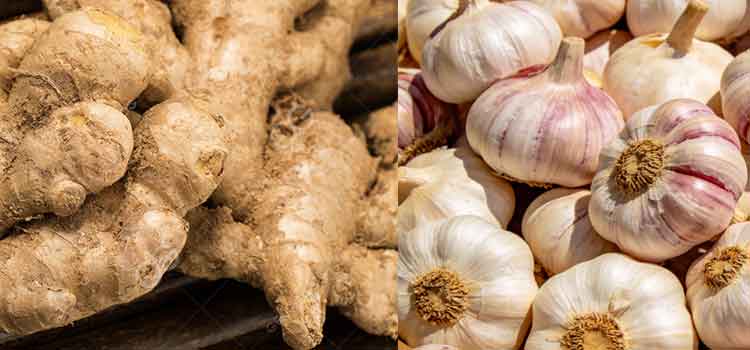
Ginger and garlic are the core raw materials for the production of ginger-garlic paste. The freshness, maturity, moisture content, and overall quality of these ingredients directly influence the flavor and quality of the final product. It is advisable to secure reliable suppliers in advance, establish acceptance standards for raw materials, and coordinate procurement in alignment with your production schedule.
3. Planning Production Processes and Equipment
Industrial-scale production of ginger and garlic paste typically involves the following steps:
- Raw material cleaning: Removing soil, impurities, and other contaminants from the surfaces of the ginger and garlic.
- Peeling: Using specialized equipment to remove the outer skins of the ginger and garlic, thereby improving the efficiency of subsequent processing stages.
- Sorting and trimming: Removing any raw materials that are rotten, spoiled, or otherwise fail to meet quality standards.
- Crushing and grinding: Breaking down and grinding the raw materials into a paste or granular consistency, as required by the product specifications.
- Ingredient blending: Adding salt, oil, and other seasonings according to the recipe to ensure a consistent flavor profile.
- Heat treatment: Applying an appropriate heat treatment process based on the product recipe and food safety requirements.
- Filling and sealing: Dispensing the finished product into glass jars, plastic bottles, or other types of packaging containers.
- Inspection and packaging: Verifying product quality and the integrity of the packaging seals, followed by labeling and boxing.
Equipment configuration requirements vary depending on the specific product recipe and production capacity. When selecting ginger garlic paste processing equipment, factors such as the level of automation, processing capacity, hygienic design, and potential for future production expansion should be carefully considered.
4. Rational Planning of Production Facilities and Investment Budgeting
The production facility should be organized into distinct functional areas—such as zones for raw material handling, processing, filling and packaging, and finished-product storage—with the flow of personnel and materials designed in compliance with food production hygiene standards.
The investment budget must account for facility construction, equipment procurement, raw materials, packaging materials, labor, utilities, transportation, and ongoing operational expenses. It is advisable to develop an investment plan based on projected production output, avoiding the indiscriminate purchase of large-scale equipment.
5. Establish Sales Channels
You should begin identifying potential customers even before the factory goes into production. Market reach can be expanded through local distributors, supermarkets, food service supply chains, e-commerce platforms, and other food processing companies.
Naturally, there are many other factors to consider when launching a ginger-garlic paste processing business—get in touch with us, and let’s discuss them further.